Blog
Understanding Chondrosarcoma of the Talus
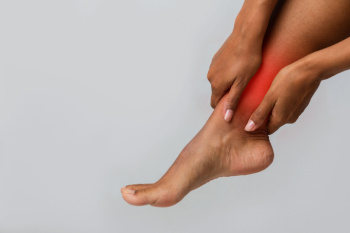
Chondrosarcoma of the talus is an extremely rare bone cancer that develops in the cartilage-producing cells of the ankle. Because the talus plays a central role in weight-bearing and motion, early symptoms may appear subtle and are often mistaken for routine ankle problems. People may notice persistent pain, swelling, or stiffness that does not improve with rest. As the condition progresses, discomfort may intensify, and walking can become more difficult. Unlike common ankle injuries, this type of tumor tends to cause symptoms that gradually worsen rather than improve. Early evaluation is important because accurate diagnosis requires imaging and expert assessment. A podiatrist can recognize when symptoms are out of the ordinary and guide you toward the appropriate specialists for further testing and treatment. If you have ongoing ankle pain or swelling that does not respond to typical care, it is suggested you see a podiatrist for timely evaluation.
Ankle pain can be caused by a number of problems and may be potentially serious. If you have ankle pain, consult with Jack A. Sasiene, DPM from Texas. Our doctor will assess your condition and provide you with quality foot and ankle treatment.
Ankle pain is any condition that causes pain in the ankle. Due to the fact that the ankle consists of tendons, muscles, bones, and ligaments, ankle pain can come from a number of different conditions.
Causes
The most common causes of ankle pain include:
- Types of arthritis (rheumatoid, osteoarthritis, and gout)
- Ankle sprains
- Broken ankles
- Achilles tendonitis
- Achilles tendon rupture
- Stress fractures
- Bursitis
- Tarsal tunnel syndrome
- Plantar fasciitis
Symptoms
Symptoms of ankle injury vary based upon the condition. Pain may include general pain and discomfort, swelling, aching, redness, bruising, burning or stabbing sensations, and/or loss of sensation.
Diagnosis
Due to the wide variety of potential causes of ankle pain, podiatrists will utilize a number of different methods to properly diagnose ankle pain. This can include asking for personal and family medical histories and of any recent injuries. Further diagnosis may include sensation tests, a physical examination, and potentially x-rays or other imaging tests.
Treatment
Just as the range of causes varies widely, so do treatments. Some more common treatments are rest, ice packs, keeping pressure off the foot, orthotics and braces, medication for inflammation and pain, and surgery.
If you have any questions please feel free to contact our offices located in Texas City and Lake Jackson, TX . We offer the newest diagnostic tools and technology to treat your foot and ankle needs.
Relief Tips for Plantar Fasciitis

Plantar fasciitis is a common cause of heel pain that occurs when the thick band of tissue connecting the heel bone to the toes becomes inflamed. It often develops from standing for long hours, wearing unsupportive shoes, or experiencing weight gain that increases pressure on the feet. Symptoms include sharp heel pain, stiffness, and discomfort that is often worse in the morning or after periods of rest. A podiatrist can help by diagnosing the condition, providing custom orthotics, recommending stretching exercises, and offering treatments to reduce inflammation and pain. If heel pain is affecting your daily activities, it is suggested that you schedule an appointment with a podiatrist who can offer effective relief and treatment solutions.
Plantar fasciitis is a common foot condition that is often caused by a strain injury. If you are experiencing heel pain or symptoms of plantar fasciitis, contact Jack A. Sasiene, DPM from Texas. Our doctor can provide the care you need to keep you pain-free and on your feet.
What Is Plantar Fasciitis?
Plantar fasciitis is one of the most common causes of heel pain. The plantar fascia is a ligament that connects your heel to the front of your foot. When this ligament becomes inflamed, plantar fasciitis is the result. If you have plantar fasciitis you will have a stabbing pain that usually occurs with your first steps in the morning. As the day progresses and you walk around more, this pain will start to disappear, but it will return after long periods of standing or sitting.
What Causes Plantar Fasciitis?
- Excessive running
- Having high arches in your feet
- Other foot issues such as flat feet
- Pregnancy (due to the sudden weight gain)
- Being on your feet very often
There are some risk factors that may make you more likely to develop plantar fasciitis compared to others. The condition most commonly affects adults between the ages of 40 and 60. It also tends to affect people who are obese because the extra pounds result in extra stress being placed on the plantar fascia.
Prevention
- Take good care of your feet – Wear shoes that have good arch support and heel cushioning.
- Maintain a healthy weight
- If you are a runner, alternate running with other sports that won’t cause heel pain
There are a variety of treatment options available for plantar fasciitis along with the pain that accompanies it. Additionally, physical therapy is a very important component in the treatment process. It is important that you meet with your podiatrist to determine which treatment option is best for you.
If you have any questions, please feel free to contact our offices located in Texas City and Lake Jackson, TX . We offer the newest diagnostic and treatment technologies for all your foot care needs.
When Little Toe Pain Becomes a Big Problem
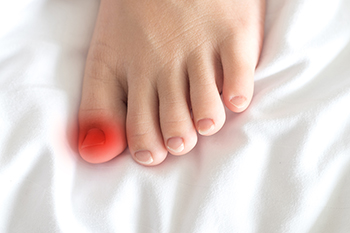
That sharp tenderness along the edge of your toenail is often a sign of an ingrown toenail, a common issue that causes disproportionate discomfort. The pain, redness, and swelling are clear indicators that your toenail needs expert care to prevent the condition from progressing. The truth is, not all ingrown toenails are treated the same way. For milder cases, your podiatrist may utilize conservative, non-surgical techniques, such as taping or specialized bracing, to guide the nail's growth. However, if the condition is severe, chronic, or shows signs of infection like pus or excessive inflammation, a minor, in-office procedure may be necessary to remove the offending nail portion for immediate and lasting relief. A thorough exam will determine the right path for your foot health. If your ingrown toenail is not improving or is painful and infected, it is suggested that you schedule an appointment with a podiatrist for an exam and appropriate treatment.
Toe pain can disrupt your daily activities. If you have any concerns, contact Jack A. Sasiene, DPM of Texas. Our doctor can provide the care you need to keep you pain-free and on your feet.
What Causes Toe Pain?
Most severe toe pain is caused due to a sports injury, trauma from dropping something heavy on the toe, or bumping into something rigid. Other problems can develop over time for various reasons.
Toe pain can be caused by one or more ailments. The most common include:
- Trauma
- Sports injury
- Wearing shoes that are too tight
- Arthritis
- Gout
- Corns and calluses
- Hammertoe
- Bunions
- Blisters
- Ingrown toenails
- Sprains
- Fractures (broken bones)
- Dislocations
When to See a Podiatrist
- Severe pain
- Persistent pain that lasts more than a week
- Signs of infection
- Continued swelling
- Pain that prevents walking
Diagnosis
In many cases the cause of toe pain is obvious, but in others, a podiatrist may want to use more advanced methods to determine the problem. These can range from simple visual inspections and sensation tests to X-rays and MRI scans. Prior medical history, family medical history, and any recent physical traumatic events will all be taken into consideration for a proper diagnosis.
Treatment
Treatments for toe pain and injuries vary and may include shoe inserts, padding, taping, medicines, injections, and in some cases, surgery. If you believe that you have broken a toe, please see a podiatrist as soon as possible.
If you have any questions please contact our offices located in Texas City and Lake Jackson, TX . We offer the newest diagnostic and treatment technologies for all your foot and ankle needs.
Arthritis Can Cause Pain in the Feet and Ankles

If you are suffering from tenderness, pain, or stiffness in the joints of your feet or ankles, call us to schedule an appointment.
Falls Prevention Tips for Seniors at Home
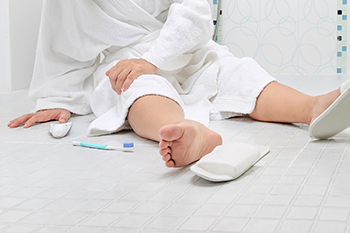
Helping seniors stay safe at home begins with simple changes that reduce everyday risks. Keeping commonly used items within easy reach prevents the need for stretching or climbing. Replacing dim bulbs and using night lights improves visibility and reduces the chance of tripping in low light areas. Installing grab bars in bathrooms and hallways provides extra support and confidence. Choosing rugs with non-slip backing keeps floors secure and prevents sliding. A podiatrist can assess balance concerns, identify foot or ankle issues, recommend proper footwear, and create strategies to enhance stability. If you have sustained a foot or ankle injury from falling at home, it is suggested that you contact a podiatrist who can treat these kinds of injuries, and guide you on additional fall prevention strategies.
Preventing falls among the elderly is very important. If you are older and have fallen or fear that you are prone to falling, consult with Jack A. Sasiene, DPM from Texas. Our doctor will assess your condition and provide you with quality advice and care.
Every 11 seconds, an elderly American is being treated in an emergency room for a fall related injury. Falls are the leading cause of head and hip injuries for those 65 and older. Due to decreases in strength, balance, senses, and lack of awareness, elderly persons are very susceptible to falling. Thankfully, there are a number of things older persons can do to prevent falls.
How to Prevent Falls
Some effective methods that older persons can do to prevent falls include:
- Enrolling in strength and balance exercise program to increase balance and strength
- Periodically having your sight and hearing checked
- Discuss any medications you have with a doctor to see if it increases the risk of falling
- Clearing the house of falling hazards and installing devices like grab bars and railings
- Utilizing a walker or cane
- Wearing shoes that provide good support and cushioning
- Talking to family members about falling and increasing awareness
Falling can be a traumatic and embarrassing experience for elderly persons; this can make them less willing to leave the house, and less willing to talk to someone about their fears of falling. Doing such things, however, will increase the likelihood of tripping or losing one’s balance. Knowing the causes of falling and how to prevent them is the best way to mitigate the risk of serious injury.
If you have any questions, please feel free to contact our offices located in Texas City and Lake Jackson, TX . We offer the newest diagnostic and treatment technologies for all your foot care needs.
Foot Cramps and Their Causes
Foot cramps are sudden, involuntary muscle contractions that cause sharp pain and stiffness in the foot. They may occur during activity or even while resting. Common causes include dehydration, electrolyte imbalance, poor circulation, or overuse of muscles. Risk factors include intense exercise without proper stretching, wearing footwear lacking adequate support, and medical conditions that affect nerves or blood flow. These cramps can interfere with daily activities and athletic performance, if not addressed. A podiatrist can identify underlying causes, recommend stretching and strengthening exercises, and provide guidance on footwear or orthotics to reduce recurrence. Foot cramps can disrupt daily activities as well as sleep. If this applies to you, it is suggested that you schedule an appointment with a podiatrist who can diagnose the cause, and offer effective relief and treatment solutions.
Foot Pain
Foot pain can be extremely painful and debilitating. If you have a foot pain, consult with Jack A. Sasiene, DPM from Texas. Our doctor will assess your condition and provide you with quality foot and ankle treatment.
Causes
Foot pain is a very broad condition that could be caused by one or more ailments. The most common include:
- Bunions
- Hammertoes
- Plantar Fasciitis
- Bone Spurs
- Corns
- Tarsal Tunnel Syndrome
- Ingrown Toenails
- Arthritis (such as Gout, Rheumatoid, and Osteoarthritis)
- Flat Feet
- Injury (from stress fractures, broken toe, foot, ankle, Achilles tendon ruptures, and sprains)
- And more
Diagnosis
To figure out the cause of foot pain, podiatrists utilize several different methods. This can range from simple visual inspections and sensation tests to X-rays and MRI scans. Prior medical history, family medical history, and any recent physical traumatic events will all be taken into consideration for a proper diagnosis.
Treatment
Treatment depends upon the cause of the foot pain. Whether it is resting, staying off the foot, or having surgery; podiatrists have a number of treatment options available for foot pain.
If you have any questions, please feel free to contact our offices located in Texas City and Lake Jackson, TX . We offer the newest diagnostic and treatment technologies for all your foot care needs.
How Pregnancy Can Affect the Feet
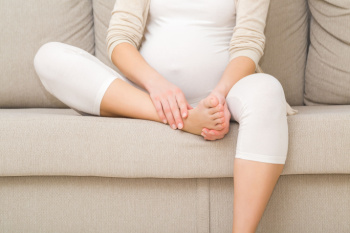
Pregnancy can have a significant impact on the feet, ankles, and toes due to both physical and hormonal changes. As body weight increases, the added pressure shifts the center of gravity forward, placing extra strain on the feet and ankles. This can cause discomfort and contribute to swelling, often making it difficult to find properly fitting shoes. In the later stages of pregnancy, the hormone relaxin causes ligaments in the feet to loosen, which may lead to flattening of the arches, lengthening of the feet, and broadening of the forefoot. These structural changes can sometimes remain permanent, leading to ongoing issues like pain or difficulty with balance. Reduced physical activity and swelling can further aggravate foot fatigue, particularly in the third trimester. A podiatrist can assess these changes, address sources of discomfort, and provide treatment to help improve foot health. If you are experiencing foot problems during pregnancy, it is suggested that you schedule an appointment with a podiatrist to help increase comfort and mobility.
Pregnant women with swollen feet can be treated with a variety of different methods that are readily available. For more information about other cures for swollen feet during pregnancy, consult with Jack A. Sasiene, DPM from Texas. Our doctor will attend to all of your foot and ankle needs.
What Foot Problems Can Arise During Pregnancy?
One problem that can occur is overpronation, which occurs when the arch of the foot flattens and tends to roll inward. This can cause pain and discomfort in your heels while you’re walking or even just standing up, trying to support your baby.
Another problem is edema, or swelling in the extremities. This often affects the feet during pregnancy but tends to occur in the later stages.
How Can I Keep My Feet Healthy During Pregnancy?
- Wearing orthotics can provide extra support for the feet and help distribute weight evenly
- Minimize the amount of time spent walking barefoot
- Wear shoes with good arch support
- Wear shoes that allow for good circulation to the feet
- Elevate feet if you experience swelling
- Massage your feet
- Get regular, light exercise, such as walking, to promote blood circulation to the feet
If you have any questions, please feel free to contact our offices located in Texas City and Lake Jackson, TX . We offer the newest diagnostic and treatment technologies for all your foot care needs.
Body Mass Index and Your Feet
 Being obese, or having a BMI (Body Mass Index) of 30 or higher, can cause serious, negative effects throughout your body, including your feet, which absorb the force of your body weight. People with a higher BMI put an increased amount of foot pressure under the heel and metatarsal heads (balls of the foot) which is where you push off to walk or run. Obesity can also change the structure of your feet, causing them to widen, putting excess strain on your ankles, and overburdening your arches. Common foot problems that cause pain and discomfort in obese individuals include plantar fasciitis, bunions, and hammertoe. Trying to reduce your body mass is a good step towards improving your overall health. Contacting a podiatrist is another good step to take to treat any pain or discomfort you may be experiencing in your feet or ankles.
Obesity has become very problematic at this point in time and can have extremely negative effects on the feet. If you’re an obese individual and are concerned about your feet, contact Jack A. Sasiene, DPM from Texas. Our doctor can provide the care you need to keep you pain-free and on your feet.
Obesity and Your Feet
Since your feet are what support your entire weight when standing, any additional weight can result in pain and swelling. Being overweight is one of the main contributors to foot complications.
Problems & Complications
Extra Weight – Even putting on just a few extra pounds could create serious complications for your feet. As your weight increases, your balance and body will shift, creating new stresses on your feet. This uneven weight distribution can cause pain, even while doing the simplest tasks, such as walking.
Diabetes – People who are overweight are at serious risk of developing type-2 diabetes, which has a drastic impact on the health of your feet. As you get older, your diabetes might worsen, which could lead to loss of feeling in your feet, sores, and bruises. You could also become more prone to various infections.
Plantar fasciitis – Pressure and stress that is placed on muscles, joints, and tendons can trigger plantar fasciitis, which is an inflammation of tissue that forms along the bottom of the foot.
If you have any questions, please feel free to contact our offices located in Texas City and Lake Jackson, TX . We offer the newest diagnostic and treatment technologies for all your foot care needs.
Gout Pain Can Be Managed

Gout is a painful, inflammatory form of arthritis. Those affected will typically feel an intense stiffness in the joints of their feet, particularly in the big toe. Schedule a visit to learn about how gout can be managed and treated.
Calcaneal Osteomyelitis From a Puncture Wound
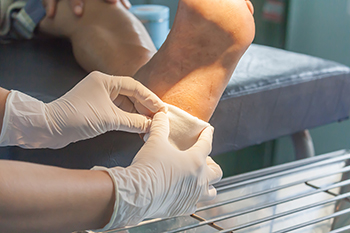
Calcaneal osteomyelitis is a serious bone infection in the heel that can develop after a puncture wound to the foot. When bacteria enter through a deep wound, they can reach the bone and cause inflammation, pain, swelling, and difficulty walking. Early care is vital to prevent serious complications. Cleaning the wound thoroughly, avoiding pressure on the heel, and seeking prompt medical attention from a podiatrist can reduce the risk of infection. This foot doctor can diagnose the condition through imaging tests and provide treatment that may include antibiotics, wound care, and surgical management, if necessary. If you have sustained a puncture wound on your foot, it is suggested that you schedule an appointment with a podiatrist who can provide an examination and offer appropriate treatment.
Wound care is an important part in dealing with diabetes. If you have diabetes and a foot wound or would like more information about wound care for diabetics, consult with Jack A. Sasiene, DPM from Texas. Our doctor will assess your condition and provide you with quality foot and ankle treatment.
What Is Wound Care?
Wound care is the practice of taking proper care of a wound. This can range from the smallest to the largest of wounds. While everyone can benefit from proper wound care, it is much more important for diabetics. Diabetics often suffer from poor blood circulation which causes wounds to heal much slower than they would in a non-diabetic.
What Is the Importance of Wound Care?
While it may not seem apparent with small ulcers on the foot, for diabetics, any size ulcer can become infected. Diabetics often also suffer from neuropathy, or nerve loss. This means they might not even feel when they have an ulcer on their foot. If the wound becomes severely infected, amputation may be necessary. Therefore, it is of the upmost importance to properly care for any and all foot wounds.
How to Care for Wounds
The best way to care for foot wounds is to prevent them. For diabetics, this means daily inspections of the feet for any signs of abnormalities or ulcers. It is also recommended to see a podiatrist several times a year for a foot inspection. If you do have an ulcer, run the wound under water to clear dirt from the wound; then apply antibiotic ointment to the wound and cover with a bandage. Bandages should be changed daily and keeping pressure off the wound is smart. It is advised to see a podiatrist, who can keep an eye on it.
If you have any questions please contact our offices located in Texas City and Lake Jackson, TX . We offer the newest diagnostic and treatment technologies for all your foot and ankle needs.
More...
What Is Freiberg’s Disease?
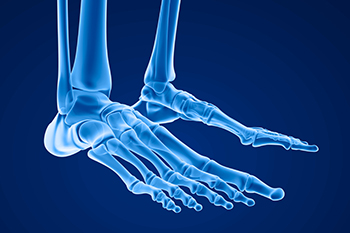
Freiberg’s disease is a painful foot condition that affects the metatarsal bones, most often the second metatarsal located near the base of the toes. It occurs when the blood supply to the bone is disrupted, leading to tissue damage and collapse of the bone surface. Causes may include repetitive stress, trauma, or genetic predisposition, and it most often develops in adolescents and young adults. Symptoms include pain in the ball of the foot, swelling, stiffness, and difficulty bearing weight or wearing shoes comfortably. A podiatrist can help by diagnosing the condition, providing orthotics, recommending activity modifications, or discussing surgical options in severe cases. If you have persistent foot pain, it is suggested that you promptly consult a podiatrist who can accurately diagnose the problem and offer effective relief and management solutions.
Some foot conditions may require additional professional care. If you have any concerns, contact Jack A. Sasiene, DPM of Texas. Our doctor can provide the care you need to keep you pain-free and on your feet.
Rare Foot Conditions
The majority of foot conditions are common and can be treated by a podiatrist. Standard diagnostic procedures are generally used to identify specific conditions and treatment can be rendered. A podiatrist also treats rare foot conditions which can be difficult to diagnose and may need extra attention and care.
There are many rare foot conditions that can affect children. Some of these can include:
- Freiberg’s disease
- Kohler’s disease
- Maffucci syndrome
Freiberg’s disease - This can be seen as a deterioration and flattening of a metatarsal bone that exists in the ball of the foot. It typically affects pre-teen and teenage girls, but can affect anyone at any age. Symptoms that can accompany this can be swelling, stiffness, and the patient may limp.
Kohler’s disease - This often targets the bone in the arch of the foot and affects younger boys. It can lead to an interruption of the blood supply which ultimately can lead to bone deterioration. The patient may limp or experience tenderness, swelling, and redness.
Maffucci syndrome - This affects the long bones in a child’s foot leading to the development of abnormal bone lesions. They are benign growths and typically develop in early childhood and the bones may be susceptible to breaking.
A podiatrist can properly diagnose and treat all types of rare foot conditions. If your child is affected by any of these symptoms or conditions, please don’t hesitate to call our office so the correct treatment method can begin.
If you have any questions, please feel free to contact our offices located in Texas City and Lake Jackson, TX . We offer the newest diagnostic and treatment technologies for all your foot care needs.
Looking After a Broken Foot

A fracture in the foot can result from a sudden injury, an awkward step, or repeated stress on the bones. Signs may include sharp pain, swelling, bruising, or trouble standing and walking. Because the foot has many small bones that work together for balance and movement, getting the right care is essential. Treatment varies depending on how serious the break is. Some patients may need only rest, a walking boot, or crutches, while others may require a cast, or, in more complicated cases, surgery to realign the bones. Elevating the foot and keeping weight off it helps with recovery. Healing usually takes several weeks, but following a podiatrist’s guidance supports a smoother return to activity. If you think you may have fractured your foot, it is recommended that you promptly visit a podiatrist for an accurate diagnosis and care plan.
A broken foot requires immediate medical attention and treatment. If you need your feet checked, contact Jack A. Sasiene, DPM from Texas. Our doctor can provide the care you need to keep you pain-free and on your feet.
Broken Foot Causes, Symptoms, and Treatment
A broken foot is caused by one of the bones in the foot typically breaking when bended, crushed, or stretched beyond its natural capabilities. Usually the location of the fracture indicates how the break occurred, whether it was through an object, fall, or any other type of injury.
Common Symptoms of Broken Feet:
- Bruising
- Pain
- Redness
- Swelling
- Blue in color
- Numbness
- Cold
- Misshapen
- Cuts
- Deformities
Those that suspect they have a broken foot shoot seek urgent medical attention where a medical professional could diagnose the severity.
Treatment for broken bones varies depending on the cause, severity and location. Some will require the use of splints, casts or crutches while others could even involve surgery to repair the broken bones. Personal care includes the use of ice and keeping the foot stabilized and elevated.
If you have any questions, please feel free to contact our offices located in Texas City and Lake Jackson, TX . We offer the newest diagnostic and treatment technologies for all your foot care needs.
Causes and Care for Pain on the Top of the Foot
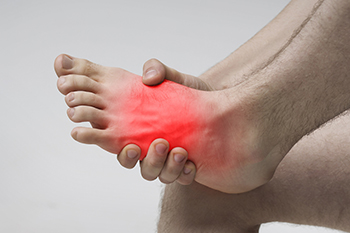
Pain on the top of the foot can result from several conditions. One common cause is wearing shoes that are too tight across the laces, which can irritate nerves and tendons. Overuse injuries, such as tendonitis or stress fractures, also frequently affect this area, especially in athletes and runners. Arthritis, ganglion cysts, and nerve entrapment may also lead to discomfort on the top of the foot. Identifying the exact source of pain is important in order to guide treatment. Rest, wearing supportive footwear, and anti-inflammatory measures may help relieve mild symptoms. Custom orthotics, bracing, or targeted exercises can provide additional support when needed. In more severe cases, surgery may be required. If you are dealing with ongoing pain on the top of your foot, it is suggested that you schedule an appointment with a podiatrist for an accurate diagnosis and individualized treatment plan.
Foot Pain
Foot pain can be extremely painful and debilitating. If you have a foot pain, consult with Jack A. Sasiene, DPM from Texas. Our doctor will assess your condition and provide you with quality foot and ankle treatment.
Causes
Foot pain is a very broad condition that could be caused by one or more ailments. The most common include:
- Bunions
- Hammertoes
- Plantar Fasciitis
- Bone Spurs
- Corns
- Tarsal Tunnel Syndrome
- Ingrown Toenails
- Arthritis (such as Gout, Rheumatoid, and Osteoarthritis)
- Flat Feet
- Injury (from stress fractures, broken toe, foot, ankle, Achilles tendon ruptures, and sprains)
- And more
Diagnosis
To figure out the cause of foot pain, podiatrists utilize several different methods. This can range from simple visual inspections and sensation tests to X-rays and MRI scans. Prior medical history, family medical history, and any recent physical traumatic events will all be taken into consideration for a proper diagnosis.
Treatment
Treatment depends upon the cause of the foot pain. Whether it is resting, staying off the foot, or having surgery; podiatrists have a number of treatment options available for foot pain.
If you have any questions, please feel free to contact our offices located in Texas City and Lake Jackson, TX . We offer the newest diagnostic and treatment technologies for all your foot care needs.
Are Bunions Affecting Your Everyday Life?
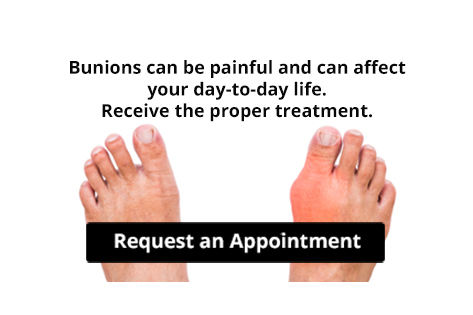
Have you noticed a bony protrusion on the side of your big toe? If so, you may have developed the foot condition known as a bunion. Don't let bunions interfere with your daily activities.
